

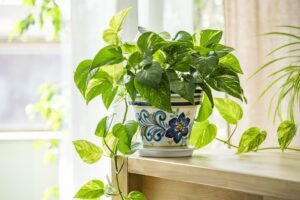
 Houseplants can serve as natural indicators of indoor air quality. In rental homes, challenges like poor ventilation, dust accumulation, and imbalanced humidity usually show up first in apartment plant health, before humans notice any physical symptoms. Knowing how plants respond to indoor conditions allows you to address indoor air quality concerns quickly and take simple steps to improve the health and comfort of your rental home.
How Indoor Air Quality Affects Apartment Plant Health
The quality of indoor air quality affects how well plants thrive inside apartments. Like the right amount of sunlight, proper air quality is necessary for healthy houseplant health. Conditions such as limited or recycled airflow and indoor pollutants can negatively influence plants before residents feel any effects. With plants constantly exchanging air through their leaves, they react to changes in their environment, serving as dependable indicators of your indoor air quality.
Common Plant Signals Linked to Poor Air Quality
When plants are struggling to thrive, poor indoor air quality might be responsible. Yellowed, wilted, or stunted leaves are often signs of airflow issues in your home.
Humidity is a major factor in plant health and indoor comfort. Air that is too dry can cause houseplant leaves to become crispy, while excess moisture may lead to drooping or root problems. Many apartments experience humidity changes, making plants an early alert system for indoor air quality.
Poor ventilation can worsen the situation. Without proper ventilation, stale air and pollutants may get trapped inside apartment homes. Houseplants positioned away from windows or vents may struggle more, showing uneven indoor airflow. Blocked vents and closed windows can limit oxygen exchange, affecting both plant vitality and indoor air quality.
Buildup and pollutants on leaves can act as a source of poor air quality. Indoor pollutants from cleaning products or candles can stress plants. If your houseplants seem stressed, your indoor air may be unhealthy.
Simple Ways Renters Can Improve Indoor Air Quality
A few practical actions can go a long way in improving your indoor air quality. Here’s how to improve the air quality in your living space:
- Open windows when the weather allows
- Employ fans to enhance airflow
- Keep vents free from furniture obstruction
- Regularly wipe down surfaces and plant leaves
Each of these small habits support healthier plants, better air circulation, and a more enjoyable living environment.
When Plant Problems Signal a Property Maintenance Issue
Observing multiple houseplants showing the same symptoms despite proper care may point to a larger issue with your home’s airflow or air quality. Situations such as persistently high indoor humidity or restricted air movement should be reported. They may be signs that your HVAC system isn’t functioning properly or highlight other needed repairs. Early communication with your landlord is crucial to avoid long-term damage and improve your living conditions.
Healthier Plants, Healthier Apartment Living
Plants offer more than visual appeal; they function as indicators of the health of your apartment’s environment. Paying attention to apartment plant health ensures you can recognize and act on indoor air quality problems promptly.
Should your houseplants be struggling or you notice air quality issues, it might be wise to call in the experts. Contact Real Property Management Excel for expert rental solutions. We provide numerous quality rental properties in Conyers. Check our available rental listings to find your dream home or reach out via 678-999-4696!
This content is provided for general informational and educational purposes only and does not constitute financial, legal, tax, or investment advice. Readers should consult with licensed professionals regarding their specific circumstances.
We are pledged to the letter and spirit of U.S. policy for the achievement of equal housing opportunity throughout the Nation. See Equal Housing Opportunity Statement for more information.
